





Highlights:
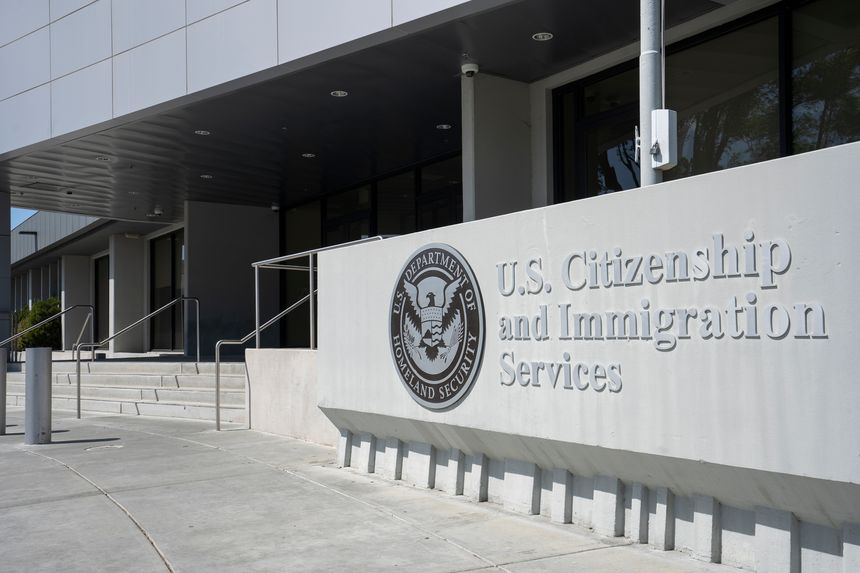
- On Dec. 2, U.S. Citizenship and Immigration Service (USCIS) directed its employees to cease processing asylum applications, as well as cases filed on behalf of citizens of 19 countries.
- USCIS will focus its screening efforts on identifying known and suspected terrorists, involvement in criminal activity, threats to community safety, and the inability to establish identity.
- The adjudicative pause will remain in effect for 90 days or until USCIS issues further guidance pertaining to heightened screening for the affected individuals.
This week, USCIS directed its employees to cease processing asylum applications and requests for benefits filed on behalf of citizens of 19 nations identified in the June proclamation titled: Restricting the Entry of Foreign Nationals To Protect the United States From Foreign Terrorists and Other National Security and Public Safety Threats.
With limited exceptions, the June proclamation prohibited travel under any immigrant or nonimmigrant visa category for select nations and limited travel based upon visa category for others. Now, through this increase in scrutiny at USCIS, the administration has shifted its national security focus to cases processed within the United States.
While USCIS wields significant discretion in its adjudication efforts, including this pause and review period, it will focus its screening efforts on identifying known and suspected terrorists, involvement in criminal activity, threats to community safety, and the inability to establish identity. More specifically, the December Policy Memorandum instructed officers to focus on four key areas of review:
- Select classifications under the Terrorist Screening Dataset (TSDS) Known or Suspected Terrorist (KST) lists;
- Connections to activity involving 212(a)(3)(A), (B), or (F), or 237(a)(4)(A) or (B) of the Immigration and Nationality Act (INA);
- Connections to activity posing a risk of harm or danger to the community, including criminal conduct identified in INA 101(a)(43), 212(a)(1)(A)(iii), 212(a)(2), 237(a)(2), or 237(a)(4)(A)(ii); and
- An inability to establish one’s identity.
Unlike the June restrictions, the adjudicative pause impacts individuals holding dual nationality, meaning USCIS will not issue a decision if the individual holds any of the following nationalities: Afghanistan, Chad, Republic of the Congo, Equatorial Guinea, Eritrea, Haiti, Iran, Libya, Myanmar[i], Somalia, Sudan, Yemen, Burundi, Cuba, Laos, Sierra Leone, Togo, Turkmenistan, and Venezuela.
For nationals of these countries, the recent guidance impacts decisions, as well as subsequent ceremonies, for the identified case types, including business and family immigrant and nonimmigrant petitions, naturalization, and adjustments of status, among others. Of note, the directive does not exclude the H-1B visa category, one of the most used by U.S. employers to secure international talent. As such, employers will experience a significant impact with respect to managing work authorization for nationals of the listed countries.
The adjudicative pause will remain in effect for 90 days or until USCIS issues further guidance pertaining to heightened screening for the affected individuals. At that juncture, USCIS will prioritize a list for review, interview, re-interview, and referral to ICE and other law enforcement agencies. USCIS will also issue operational guidance in partnership with the Office of Policy and Strategy and the Fraud Detection and National Security Directorate. In the meantime, the directive does not prohibit the filing of such cases, and USCIS will continue to issue receipts for cases filed on behalf of affected individuals.
In addition to the heightened scrutiny of pending matters, USCIS will identify and review all previously approved benefit requests for nationals of the listed countries who entered the United States on or after Jan. 20, 2021. The guidance defines entry as admission, inspection, parole, or entry without inspection, but does not specifically limit the screening to an initial entry.
Overall, the additional scrutiny of pending and previously approved cases will lengthen processing times across all case types as confirmed in the memorandum. USCIS stated its awareness of such delays and highlighted its decision to prioritize the proclaimed national security interest.
Employers should closely review U.S. immigration matters in connection with counsel to identify affected employees.
Tieranny Cutler, independent contract attorney, contributed to this article.
[i] The list identifies Myanmar as Burma.
/Passle/6488d4630e7e25c9ac9f834a/SearchServiceImages/2026-10-17-01-49-18-835-6ad2d41ede6b66bfe110a7e6.jpg)
/Passle/6488d4630e7e25c9ac9f834a/SearchServiceImages/2026-10-01-16-36-37-700-6abe8c15d635d8950c18a33b.jpg)
/Passle/6488d4630e7e25c9ac9f834a/SearchServiceImages/2026-09-24-19-38-41-116-6ab57c414e2b53dc04f66ed6.jpg)
/Passle/6488d4630e7e25c9ac9f834a/SearchServiceImages/2026-09-24-00-30-45-657-6ab46f35f84433e70eea76ea.jpg)