




In this series, we will explore some of the ways states vary from one another in their employment laws.
I have written before about state non-compete laws, and Bill Nolan and I hosted a webinar in September 2025 highlighting some of the differences in state restrictive covenant statutes, but today is a reminder that all of these posts and discussions are just a snapshot in time and that state laws continue to evolve.
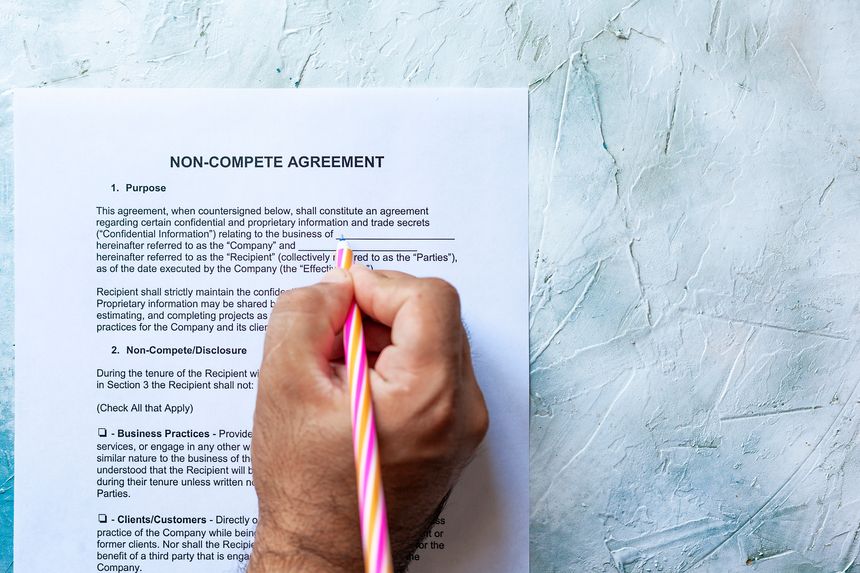
The Virginia legislature recently passed a new non-compete bill and sent it to Governor Abigail Spanberger for her signature. The soon-to-be-enacted law will require employers that terminate an employee’s employment without cause to pay severance benefits if they want their non-compete clauses to be enforceable. Moreover, employers will have to notify employees at the time the non-compete agreement is entered into what severance benefits they would be entitled to, meaning employers will need to put more advance thought into what separation payments they intend to make in the future. The law will go into effect on July 1, 2026, and will only impact non-compete agreements entered into or amended on or after that date.
As of March 23, 2026, Washington also has a new, more restrictive non-compete law. Effective June 30, 2027, virtually all employment-based non-compete agreements will be banned in Washington. Moreover, by Oct. 1, 2027, employers must notify both current and former employees whose non-compete agreements would otherwise have still been enforceable that those agreements are now void. The law is retroactive, so all Washington employment-based non-compete agreements will be voided, no matter when they were signed.
I hope you read, learn from, and maybe even enjoy this blog series, but please keep in mind that they can only describe the law in place at the time. These state laws continue to evolve at an increasingly-frantic pace, and it’s always a good idea to take a look at state law developments (or to call your employment lawyer) when you are making employment-related decisions.
/Passle/6488d4630e7e25c9ac9f834a/SearchServiceImages/2026-10-01-16-36-37-700-6abe8c15d635d8950c18a33b.jpg)
/Passle/6488d4630e7e25c9ac9f834a/SearchServiceImages/2026-09-24-19-38-41-116-6ab57c414e2b53dc04f66ed6.jpg)
/Passle/6488d4630e7e25c9ac9f834a/SearchServiceImages/2026-09-24-00-30-45-657-6ab46f35f84433e70eea76ea.jpg)
/Passle/6488d4630e7e25c9ac9f834a/SearchServiceImages/2026-09-23-16-22-53-542-6ab3fcdd8657b143c1386d0a.jpg)